
Experiencing resilience amid traumatic events

Consider these strategies to help prevent PTSD and minimize its long-term effects.
By Judy Gardner
New Hope Counseling
We cannot prevent pain and suffering in life. But we can do things to help us become more resilient when we encounter difficulties.
We know how Post-Traumatic Stress Disorder (PTSD) develops. We also understand strategies to minimize the development of PTSD and develop resilience.
A traumatic event is a time-limited exposure to an experience that is frightening, confusing or both. The brain develops PTSD when it cannot process (understand and make sense of) the event. It can also develop when a person is repeatedly exposed to trauma. There are positive steps we can take to minimize the long-term suffering and effects on our nervous system, ultimately helping prevent the development of PTSD.
Connection and support
Maintaining communication with important people in our lives provides connection, comfort and stimulates dopamine. This helps prevent depression.
Talking about It
Research demonstrates multiple benefits of talking about our experiences. Having a safe place to express ourselves provides a sense of control over self, connection, and understanding.
Choosing to take a positive perspective in thought and action
Identifying ourselves as a survivor – and not as victims – is powerful: We have come through a difficult situation. Conversely, defining ourselves as victims infers powerlessness.
Finding positive meaning in the trauma
Sometimes this is extremely difficult to do. However, positive actions can be seen all around us. These include an outpouring of care and concern, people and groups offering support, and still others running into danger to provide assistance and protection. These actions evidence the goodness in people.
The helping and loving nature of individuals is often instantaneous. The outpouring of love and assistance can even be somewhat chaotic, because it is so authentic and automatic.
Knowing that you can do this
We can, then, choose to believe that we are resilient – that we will get through this, manage our emotions with self-control, and heal. It means choosing to hope and truly believing that we can become whole.
Noticing the pain and suffering
Although we may want to block our feelings about negative events, noticing and acknowledging them is therapeutic. Take the opportunity to notice the experience – the pain, suffering, anger, disappointment and suffering. Name the emotions in order to take power over them. Express your feelings by talking about them, drawing them, exercising through them, writing music about them, or journaling. The goal of expression is to release the feelings from our bodies. Embrace your anger as energy to push the emotion outside your physical realm.
Choose love
Choosing to love means caring for others, expressing empathy, celebrating another, and offering support. These are all types of or characteristics of love, which is much more than an emotion, but a state of being and action. Our brains will not allow us to hate and love at the same time. It would be extremely difficult to experience fear and love simultaneously. We cannot be defensive and empathetic at the same time, either. The brain doesn’t work that way. If we choose to love and to learn from the past, we can make our communities better and experience healing.
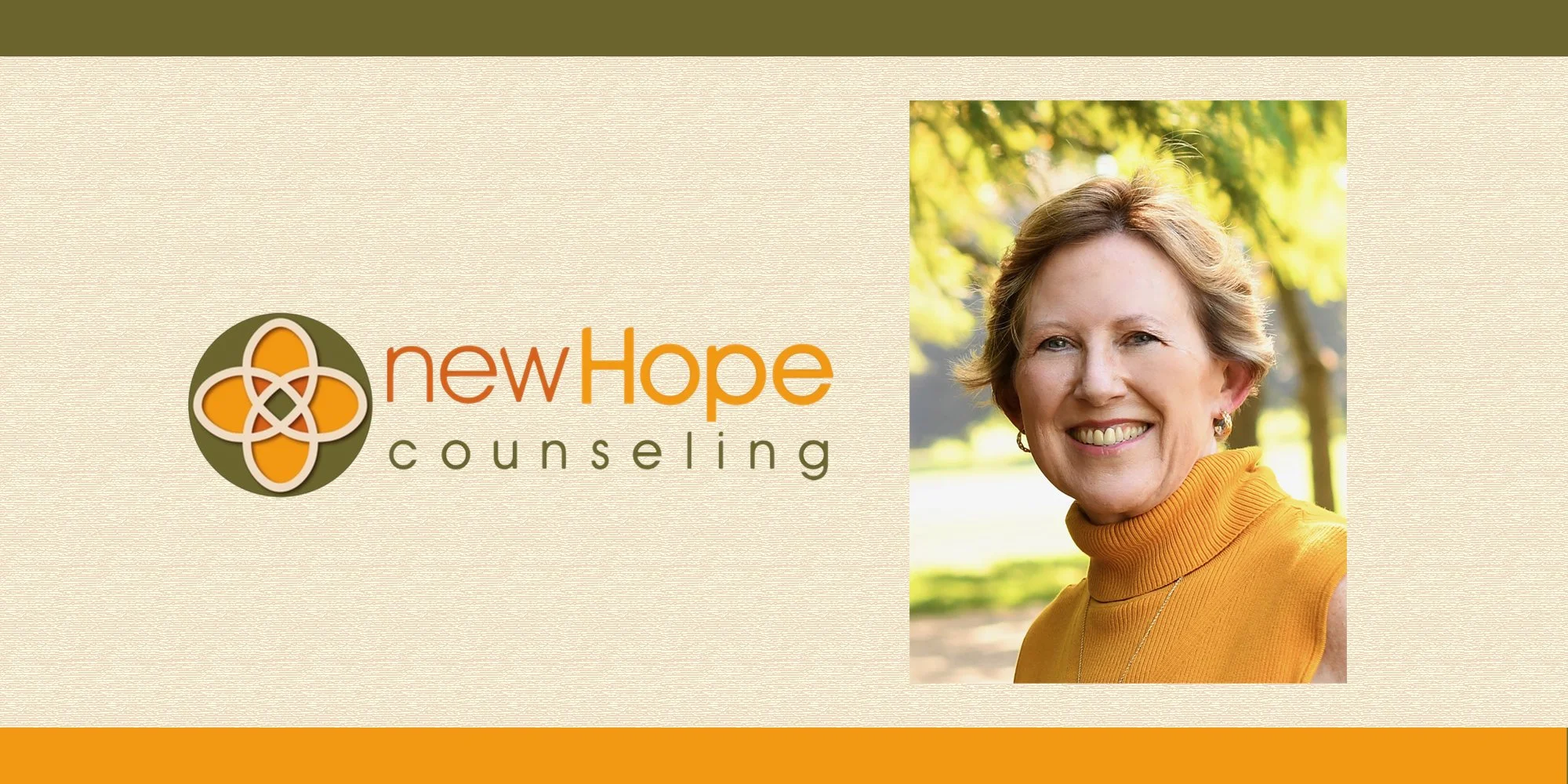
Judy Gardner is a Licensed Professional Counselor and Nationally Certified Counselor at New Hope Counseling in Lee’s Summit, Mo.