
New Hope Wellness Group uses a variety of therapies to help people experience hope and transformation. These include Play Therapy and EMDR.
Resources
Play Therapy
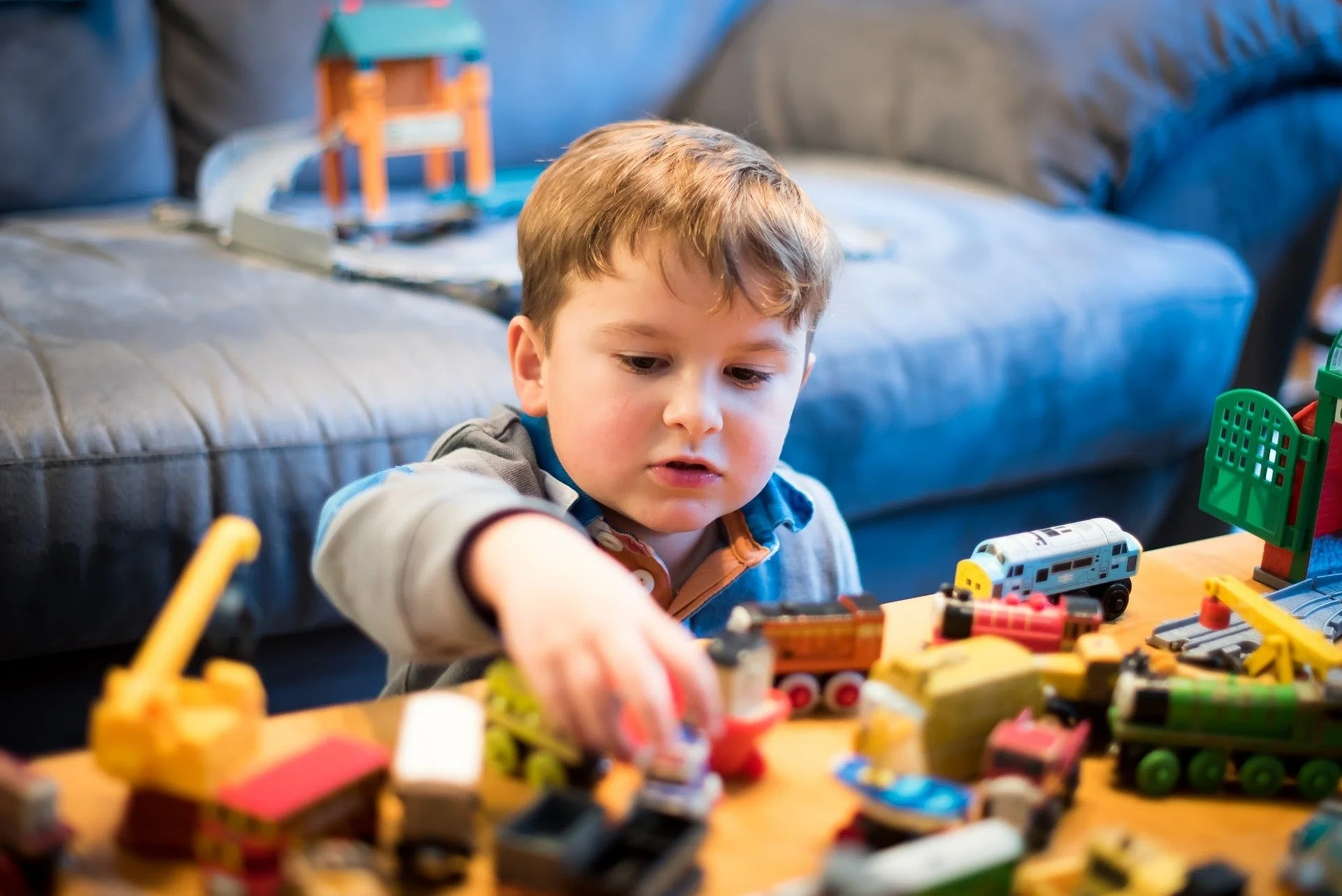
Play therapy helps children learn new skills
Play therapy is to children what talk therapy is to adults. Play is a child’s natural language.
In the playroom, toys, games and activities are used in place of words. However, communication still takes place. Therapeutic toys children to communicate what they have difficulty saying with words. They can use dolls, puppets, paint and more to express what they think or how they feel.
Many times, difficult things in life leave even adults unsure of how to communicate about them. It is easy to see why children, who lack the verbal skills of an adult, find it even more difficult. Play therapy allows children the opportunity to work through, heal, and move past the difficult times in their lives. It does all this in the most efficient, effective, and child-focused manner available.
Through play therapy, children:
Learn about themselves and their surroundings.
Begin to understand their capabilities and limitations.
Learn new skills, including how to handle anger and frustration.
Learn how to heal and work through difficulties.
Increase their self-esteem and ability to communicate.
If a child needs counseling, play therapy is usually the answer. In fact, extensive research strongly supports the effectiveness of play therapy with most social, emotional, behavioral and educational problems.
Some of these problems include:
Depression
Anger
ADHD
Anxiety and fear
Behavior disorders
Abuse issues
Aggression
Post-Traumatic Stress Disorder (PTSD)
Low self-esteem
Poor social skills
Impulsivity
Learning difficulties
Divorce issues
Coping skills issues
Trauma
Grief
Q&A about play therapy
Q: When does a child need therapy?
A: All children exhibit what adults might call “abnormal behavior” from time to time. Many times, these are nothing to worry about and sometimes go away as quickly as they came. However, sometimes these behaviors are indicators of a child in distress or a more serious underlying problem. Some children may experience difficulties coping with events such as a move or a change in schools. Some life events – including divorce, death of a loved one, and trauma – are almost always difficult for a child.
If your child appears to be in distress for a long period of time or has intense or frequent problems with a particular issue, an assessment can help determine if play therapy would be of benefit. Depression, anger, poor school performance or deteriorating attitudes can be indicators that a child would benefit from play therapy. It’s usually the best tool to help your child.
Q: Who can provide play therapy for my child?
A: Play therapy is therapy and is different than just playing with a child. Therefore, only a therapist with specialized training should provide this service. All therapists at New Hope Counseling are trained in and practice non-directive play therapy, directive play therapy, and TBRI (trust-based relational intervention).
Q: What should I tell my child about play therapy?
A: When bringing children for the first session, parents can explain that they’ll be spending some time in the playroom each week. If questions persist, restate that it’s simply fun to play with someone else. Children love to play and it usually takes little convincing for them to enjoy themselves. If you have difficulty preparing your child, please contact us and we will be glad to assist you.
Eye Movement Desensitization and Reprocessing (EMDR)
Eye Movement Desensitization and Reprocessing (EMDR) therapy has been extensively researched and proven effective for the treatment of trauma. EMDR therapy has helped millions of people of all ages relieve many types of psychological stress. In brief, EMDR uses verbal and visual stimulation to help the brain process and release past experiences so that they cause a decreasing amount of stress over time. It can help to release a mental-emotional bottleneck that saps energy with negative emotions.
All of our therapists at New Hope Counseling are certified in EMDR therapy and use it on a regular basis.
Benefits of Pet Therapy for Mental Health

Molly, therapy dog
Molly: Therapy Dog
Molly is a hypo-allergenic Maltese-Yorkie (Morkie), who is curious, nurturing and oriented toward helping clients feel safe. Molly was trained by Dog Obedience Group, and her owner/handler is Judy Gardner.
Benefits of Pets in Therapy
Why do therapists sometimes incorporate pets in therapy? Research has demonstrated that they can:
Decrease isolation and depression.
Provide comfort.
Lower anxiety and decrease agitation.
Release relaxation-producing hormones. (The act of petting produces an automatic relaxation response.)
Diminish physical pain.
Increase socialization and encourage communication.
Increase focus.